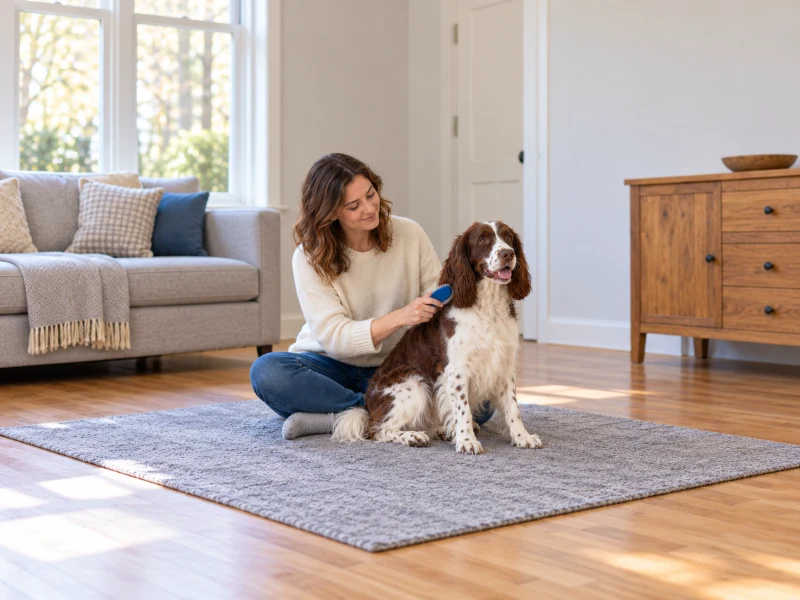
AI-created home-grooming illustration with an unbranded brush, not a FURminator or Andis test or a restraint demonstration.
Dog grooming at home works best as a series of small decisions: check the coat and comfort, brush where appropriate, bathe only when needed, dry properly and inspect the finished result. Not every session needs every step, and finishing the whole dog is less important than keeping the work comfortable.
Prepare the next stage before starting the current one. If you cannot rinse, dry or stop safely, change the plan before wetting the coat. Tight mats, painful skin and handling the dog cannot tolerate need professional help rather than more force or extra equipment.
Start dog grooming at home with a comfort check
Choose a quiet area with stable footing and enough light to see the coat. Keep an easy route for the dog to move away and put unnecessary tools beyond reach. Work when you can pause without rushing to meet another commitment.
Dogs Trust’s handling advice recommends gradual, positive introduction and stopping when the dog becomes uncomfortable. A relaxed dog chooses to remain and cooperate without tension; staying still under restraint does not establish the same comfort.
Begin with accepted touch before adding a brush. Keep the first contact short, remove your hand or tool and offer an appropriate reward when suitable. If the dog worries, stop and return to an easier stage on another calm occasion.
Established fear, aggression or suspected pain needs veterinary assessment and suitable individual support. Do not use a grooming session to push through those signs or add sedating products without veterinary direction.
Inspect before deciding what to do
Look over the coat and visible skin using gentle, accepted handling. Check for loose debris, tangles, damaged areas and a change from normal. Note where the dog is comfortable being touched and where the response changes.
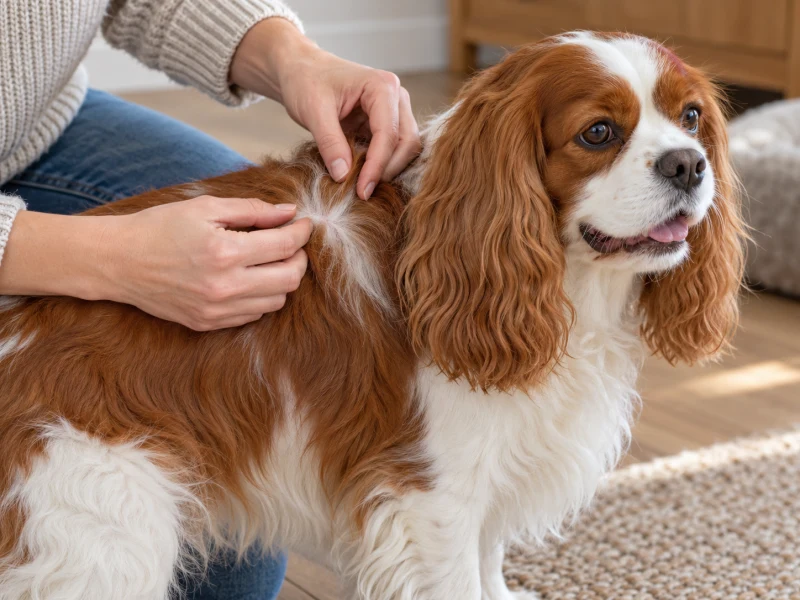
The ASPCA’s grooming advice treats routine care as an opportunity to notice abnormalities and recommends veterinary assessment for skin or coat changes, including persistent scratching, licking or biting. A new sore patch is not simply a section that needs stronger brushing.
Do not put scissors beneath a tight mat or drag a comb through it to find the skin. Keep close matting, unfamiliar sensitive-area work and painful handling outside a basic home routine. Ask a qualified groomer or veterinary team what can be maintained between appointments.
| Stage | Ready to continue when | Pause or seek help when |
|---|---|---|
| Touch and inspection | The dog remains comfortable and the area is visible | Pain, marked worry, sores or unfamiliar lumps need assessment |
| Dry coat preparation | A suitable tool moves gently without pulling | Tight mats, repeated catching or a change in tolerance |
| Optional bathing | The coat is prepared and rinsing and drying are arranged | No usable drying plan, skin concern or handling difficulty |
| Drying and finishing | You can monitor comfort and complete the permitted method | Distress, excess warmth, damp areas you cannot manage or tool resistance |
| Cleanup | The dog is comfortable and tools can be inspected and stored | Damaged equipment or unresolved coat and skin changes |
Prepare the dry coat with the right brush
Blue Cross explains that coat type affects tool choice and grooming frequency. Dry coat preparation comes before an ordinary bath; existing mats can become more difficult during shampooing. That is a reason to arrange appropriate help, not to force a knot out before the water is ready.
For suitable routine brushing, move gently with hair growth and keep checking the dog’s response. Work in manageable areas rather than repeatedly stroking a difficult patch. A tool’s smooth passage and the dog’s comfort both matter.
The selected FURminator Dual Grooming Brush, ASIN B07PRYWTD1 and retail model T691663, combines metal pins with soft boar’s-hair bristles. Its manufacturer instructions specify gentle strokes with hair growth and warn that excessive strokes in one area can irritate skin and coat.
This is the two-sided topcoat brush, not a FURminator undercoat deShedding edge. The selected retail description refers to dogs and cats over one year; check the delivered directions and suitability for the individual animal rather than borrowing instructions from a puppy or deShedding product.
Consider the Dual Grooming Brush for an adult dog whose coat suits its metal-pin and soft-bristle roles and who accepts gentle contact. It is not a guarantee that a tight mat can be removed comfortably, nor a replacement for a coat-specific professional assessment.
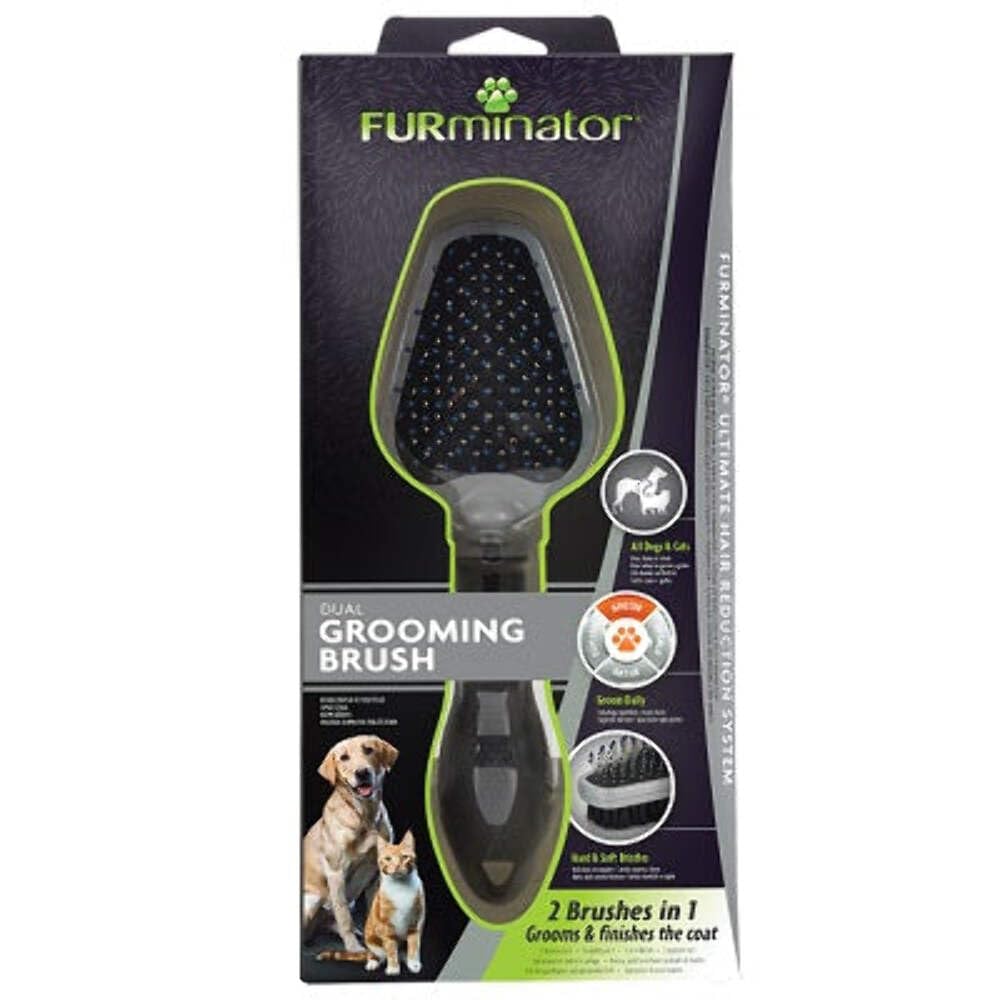
PRODUCT MENTIONED
FURminator Dual Grooming Brush — T691663
Amazon · Details on the retailer’s website
Make bathing optional in dog grooming at home
Decide whether the dog actually needs a bath and whether a coat or skin condition changes the plan. Blue Cross notes that bathing is not always necessary and advises veterinary input for skin problems. A complete grooming routine is not a requirement to shampoo every time.
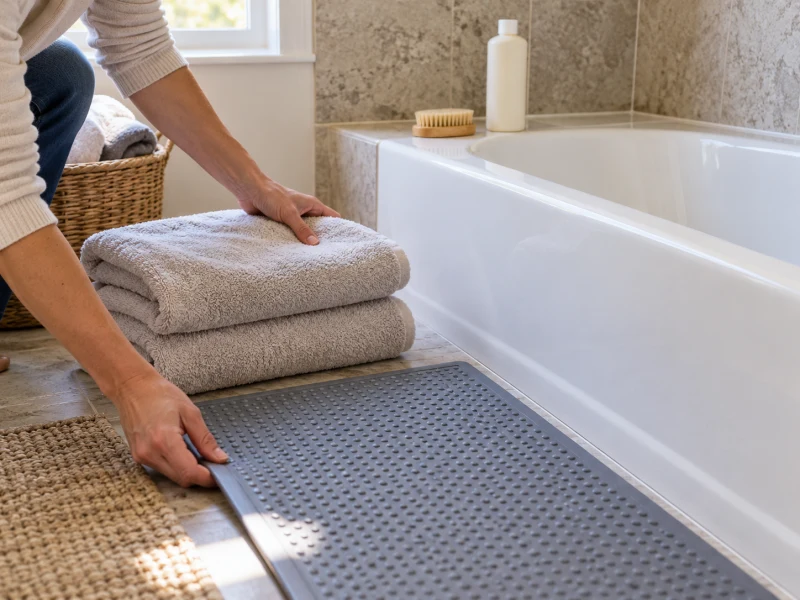
Prepare suitable footing, towels and a way to rinse before wetting the coat. Use an appropriate dog product and follow its actual label, including any dilution, contact and rinse directions. Do not invent a universal shampoo amount or contact time.
Keep water and shampoo away from the eyes, ears and nose. Avoid improvising ear packing, eye products or treatments from general household instructions. Ask your veterinary team if a medical condition or sensitive area affects bathing.
Rinse thoroughly as directed and keep watching the dog. If footing, handling or comfort becomes difficult, pause and resolve it instead of adding restraint to finish quickly. Repeated baths do not diagnose persistent odor, itching or a skin change.
Plan drying before the dog is wet
Have appropriate towels and enough time to dry the coat adequately. Treat remaining dampness as a separate care task, particularly where the outer coat can conceal moisture. Do not assume that a dry-looking surface means every area underneath is ready.
Powered drying adds sound, airflow, temperature and electrical requirements. Follow the exact dog’s dryer instructions and an appropriate professional demonstration. Keep equipment and connections away from water, supervise continuously and stop for discomfort or excess warmth.
A powerful machine is not a solution when the dog cannot tolerate it or the room is unsuitable. Ask a groomer about a manageable drying arrangement before a full bath. Do not improvise a hot-air setting or leave the dog alone to complete the task.
Vacuum-assisted hair collection serves a different job. The Neakasa P2 Pro article covers that equipment choice; collection suction does not replace a suitable coat-drying method.
Finish dog grooming at home with a gentle comb check
After the relevant preparation and drying, a suitable comb can help you notice a remaining tangle rather than assuming a smooth surface is finished. Use gentle passes only where the coat and skin are comfortable. Check a snag instead of repeatedly dragging through it.
The selected Andis 65730, ASIN B004UTDHP2, is a silver 7½-inch steel comb with coarse and fine tooth areas. The retail listing identifies that number and size, and the Andis Company product-video record identifies 65730 as a 7.5-inch steel comb.
Andis currently lists a 7½-inch comb as item 68550 on its own store. That different number should not silently replace the selected 65730 or establish identical packaged instructions. Confirm the delivered model when the distinction matters.
The retail title’s dematting wording does not make a tight mat an appropriate home task. Coarse and fine spacing offer different contact, but neither removes the need to stop at resistance or pain. Rounded ends cannot guarantee injury-free use.
Consider the selected Andis 65730 when a suitable comb can pass comfortably through the prepared coat and you want a separate finishing check. Stop if teeth catch, skin moves with a knot or the dog reacts; a finer spacing is not permission to pull harder.

PRODUCT MENTIONED
Andis Steel Comb — 65730, 7½ Inch
Amazon · Details on the retailer’s website
Leave unfamiliar cutting and nail work separate
A brush-and-comb session does not require clipping hair, cutting nails or working inside ears. These are different tasks with their own visibility, handling and skill requirements. A pair of tools is not a complete professional grooming system.
Ask a suitable professional to demonstrate any maintenance needed for your dog’s actual coat and nails. Keep that work within the demonstrated boundaries. Do not assume a guard or rounded tip makes hidden skin, a sensitive area or a struggling dog safe to cut around.
Clean up and record what needs attention
Remove collected hair and debris according to each tool’s directions, inspect pins and teeth and store the equipment dry and out of reach. A method suitable for a simple comb may not suit a cushioned brush or powered device.
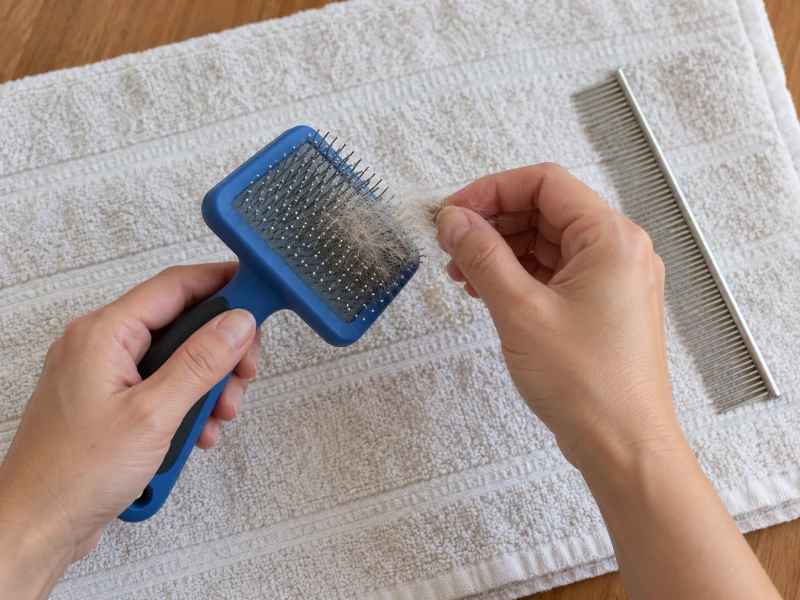
Do not invent a shared immersion, disinfectant or dishwasher routine. Keep the actual instructions with the tools and ask the manufacturer if cleaning information is unclear. A damaged tooth or rough pin needs the tool removed from use rather than another pass over the coat.
Note where the dog remained comfortable, any coat resistance and what you did not finish. Use that record to adjust the next short session or explain the issue to a professional. A pause can be the useful outcome of dog grooming at home when it prevents a problem from escalating.
Questions about a first home session
Must I bathe after every brush?
No. Let the coat, actual dirt and individual care plan determine whether bathing is needed. Prepare rinsing and drying before starting a bath.
Should I keep brushing until the dog accepts it?
No. Stop for discomfort and return to easier accepted handling. Established fear or suspected pain needs veterinary assessment and appropriate support.
Are these two tools a manufacturer kit?
No. They are independently sold tools with different roles. Choose each only when it suits the coat and your ability to use and maintain it.
Keep the routine small enough to do comfortably
Dog grooming at home should leave the dog comfortable and the next care step clear. Inspect first, prepare the coat gently, bathe only when appropriate and have a drying plan. Stop at pain, tight matting or handling you cannot manage.
For suitable adult-dog coat care, check the FURminator Dual Grooming Brush or the Andis 65730 7½-inch comb on Amazon. Buy for the specific brushing or finishing task, with professional help available for work beyond that routine.
Comments are reviewed before they appear publicly. Please keep questions and feedback relevant to this article.