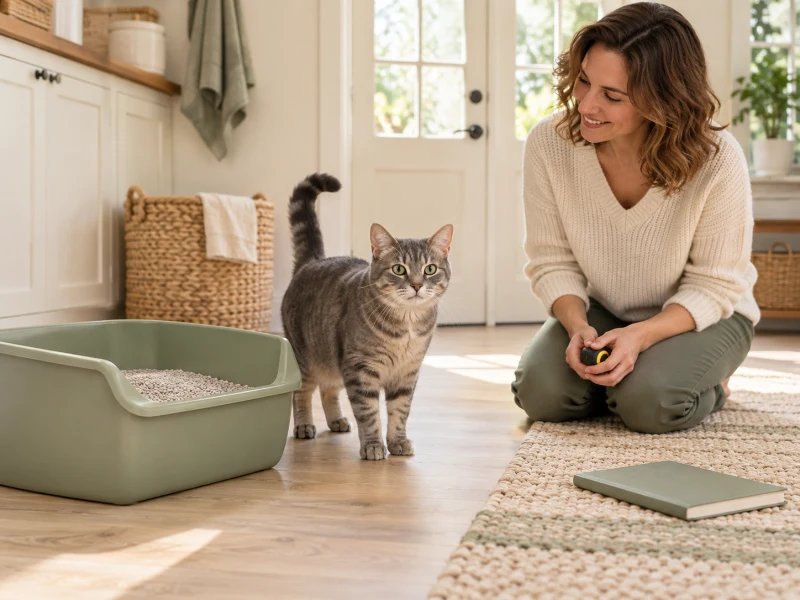
AI-created generic litter-box-choice scene; not a named-model product photograph or a hands-on test.
The main difference between Litter Robot 3 and 4 is the combination of entrance design, body width, sensing and app information. Litter-Robot 4 has a wider opening and a narrower body, plus weight and litter-level information that the older model does not provide in the same way. Both still need compatible litter, waste removal, cleaning and a cat that willingly uses the enclosure.
For a new purchase, Litter-Robot 4 is worth considering when those changes solve a specific need. For someone with a working Litter-Robot 3, an upgrade is less compelling if the existing box fits, the cat is comfortable and the added data would not change the owner’s routine. Upgrade only when the newer features address a need the current machine does not meet.
What is the difference between Litter Robot 3 and 4?
The manufacturer’s manuals show meaningful differences in physical fit and detection requirements. The table below uses the documented assembled dimensions, not the conflicting dimension line on the selected Amazon LR4 page. Product dimensions and the space required to approach or service a box are different measurements.
| Buying question | Litter-Robot 3 family | Litter-Robot 4 |
|---|---|---|
| Assembled body | 29.5 in high ×24.25 in wide ×27 in deep in its manual. | 75×56×68.6 cm, approximately 29.5×22×27 in, in its manual. |
| Entrance width | 10.25 in in the manual. | 40 cm, approximately 15.75 in, in the manual. |
| Automatic-mode minimum | At least 5 lb according to safety instructions. | At least 1.36 kg, approximately 3 lb, according to safety instructions. |
| App distinction | Separate basic LR3 from LR3 Connect; Connect is the connected version. | Whisker app with additional weight and litter-level functions. |
| Cat detection | Weight-sensitive cat sensor, with other documented protective features. | Optical curtain and weight sensing, with additional documented protective features. |
| Routine work | Empty drawer, top up compatible litter and clean parts. | The same categories of owner care remain necessary. |
Those measurements are not a guarantee that a particular cat will fit or accept the box. Check the whole entry route and the usable interior, then consider whether the animal can turn, posture and leave comfortably. A wider entrance changes access; it does not make the product an unrestricted open tray.
The Litter-Robot 3 manual and Litter-Robot 4 manual are the primary references for these figures. Keep the instructions matching the unit you actually own, particularly when interpreting lights or changing a setting.
Start with space and the cat’s way of entering
Litter-Robot 4’s body is narrower, but the front still needs room for the cat to approach and the waste drawer to be removed. Measure the intended location with nearby doors, furniture and the human cleaning route in mind. Do not buy to a cabinet’s exact internal width without allowing room for the required placement and service access.
Both guides call for a firm, level location and warn against contact with walls or unstable surfaces. Keep mats in front rather than partly underneath the unit. LR4’s guide discusses an optional carpet tray when carpeting cannot be avoided; that is not permission to ignore the flooring requirements on an older LR3.
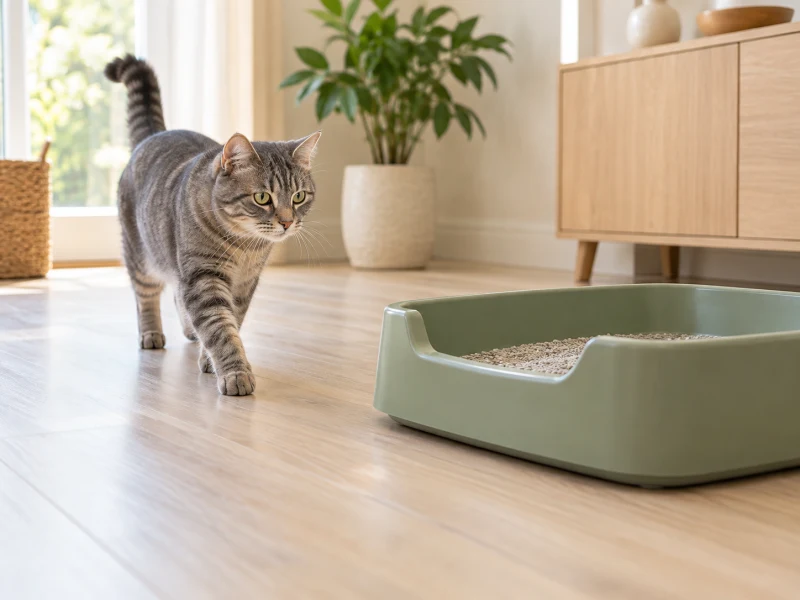
There is also a distinction between a larger opening and an easier climb. Consider the entrance height, your cat’s movement and any correctly matched access accessory separately. The Litter-Robot 4 ramp and space guide covers the additional room and version checks an access ramp can introduce.
If a cat already avoids enclosed boxes, extra opening width may not resolve that preference. Keep a familiar suitable litter box available during introduction and let the cat investigate voluntarily. Never force the animal inside or assume reluctance is something an automatic cleaning feature can fix.
Safety requirements differ, but neither is a risk-free appliance
The manuals set different minimum weights for automatic operation: 5 lb for LR3 and approximately 3 lb for LR4. Apply the requirement to every animal that can access the machine. A household with a smaller kitten cannot assess suitability only by the weight of the largest cat.
LR3 relies on a weight-sensitive cat sensor. Its manual also cautions that certain lightweight litters may affect activation. LR4 combines optical curtain sensing with weight sensors and describes other monitoring functions. This is a difference in the documented detection systems, not independent evidence that accidents are impossible.
Owners still need correct placement, clean sensing areas, the right litter amount and attention to faults. Do not bypass sensors or modify hardware to keep a machine cycling. If a recurring error cannot be resolved through the matching owner instructions, use manufacturer support and keep a reliable ordinary litter option accessible.
Clean and Empty are also different operations. A routine clean separates waste from reusable litter; an Empty cycle removes the litter bed. Both manuals require supervision and preventing the cat from entering during emptying. Do not treat the Empty button as a stronger version of everyday cleaning.
Compare LR3 Connect with LR4, not every LR3 with an app
“Litter-Robot 3” can refer to the basic model or LR3 Connect. That distinction matters when comparing connected functions. Whisker’s official LR3-versus-LR4 comparison describes app access for LR3 Connect and additional records available with LR4.
The LR4 app information includes weight and litter-level functions, alongside waste information. Those records can help an owner notice an appliance condition or a change worth checking. They do not diagnose a cat, establish the reason for a weight change or replace observation of normal eating, drinking and litter use.
Individual cat profiles deserve particular care in a multi-cat home. The manufacturer describes weight-based identification under specified conditions, including a difference of at least one pound between cats in its comparison article. That is a feature description, not a guarantee that every similar-sized animal will be identified correctly on every visit.
Ask what you would do with the additional data. If it would prompt sensible direct checks, it may be useful. If it would merely add notifications you will not review, it is a weaker reason to replace a comfortable working box. Keep health concerns separate from device troubleshooting and seek veterinary advice when the cat’s behavior or condition warrants it.
The difference between Litter Robot 3 and 4 in daily care
Both models move waste into a drawer rather than making it disappear. You still dispose of that waste, replace or fit a liner, restore the litter to the marked level and clean the permitted parts. Household size and actual use affect how often these jobs arise; do not convert a marketing interval into a promise that the box needs no daily check.
The manuals describe different drawer and liner arrangements, so avoid assuming one model’s bag-fitting steps transfer unchanged to the other. Excess material, a badly fitted liner or a full drawer can interfere with the intended setup. Confirm the current guide for the unit before following a shortcut from an older video.
Filter and seal care also belongs to the correct model. A filter located in one place on LR3 is not a reason to expect the same location or replacement procedure on LR4. Order replacements with a specific compatibility reference rather than a broad “Litter-Robot” label.
For deeper cleaning, disconnect power and separate washable components from the electrical base and control areas. The guides expressly warn against submerging the base. A removable globe does not make the whole assembled robot washable, and a faster sifting cycle does not reduce the need to let cleaned parts dry before reassembly.
This care burden is a useful upgrade test. If your present difficulty is finding time to clean any enclosed automatic box, LR4 does not eliminate that category of work. If the difficulty is a specific access, sensing or app limitation that the newer design addresses, the comparison becomes more relevant.
Both guides center on a sifting system that needs suitable clumping litter. They exclude strictly absorbent non-clumping materials, loose clumps, newspaper products and wood pellets. A product advertised as “natural” or “low tracking” does not establish that it will sift correctly.
LR4’s manual also warns that translucent or white crystal litter can affect litter-level and drawer readings. Use the instructions for the actual material and model. When an alternative is not clearly supported, ask Whisker rather than assuming that a smaller granule automatically solves every sensing or screening issue.
During a transition, change as few variables as possible while staying within the machine’s requirements. A cat adjusting to a new enclosure, a new location and a new litter at once may give you little clue about what it dislikes. Keep the familiar suitable option available and observe actual acceptance.
When keeping a working LR3 makes sense
Keeping LR3 is reasonable when every cat meets its operating requirements, the enclosure is accepted, the location is suitable and the machine works reliably with proper maintenance. You do not need to create a problem simply because another generation has a longer feature list.
Before comparing the cost of replacement, identify the actual issue. A worn compatible part, a cleaning need, an incorrect litter amount and a poor location are different from a design limitation. Follow support guidance for the existing device; do not assume a new machine will fix a cat’s unrelated litter-box problem.
Also separate current retailer terms from historical manufacturer promotion text. Older prices, review totals and direct-store trial terms may not apply to the current seller’s offer. Check the selected seller’s current return conditions, especially if the cat’s willingness to use the enclosure is uncertain.
When the white Litter-Robot 4 is the better choice
For a new buyer, LR4 offers the more open entrance and narrower body, together with its additional sensing and app functions. Those changes matter most when they match a measured space or a specific information need. They are less persuasive when the animal’s basic preference is for an open tray.
Choose the white Litter-Robot 4 if its wider entrance, narrower body and additional app information solve a real problem in your home. If a working Litter-Robot 3 already suits your cats and routine, keeping it can be the more sensible choice; a newer model is not a reason by itself to replace it.
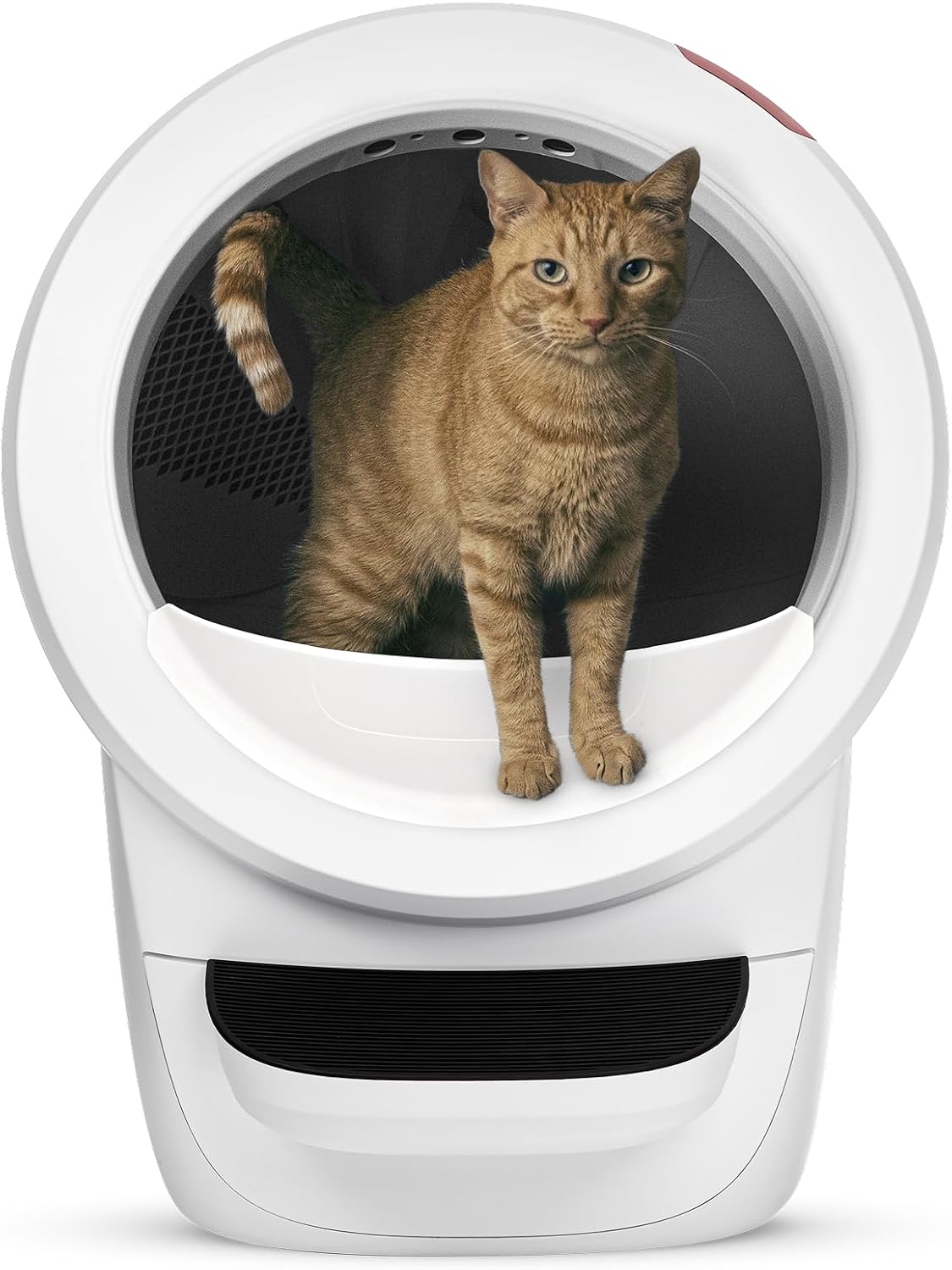
PRODUCT MENTIONED
Whisker Litter-Robot 4 — White
Amazon · Details on the retailer’s website
One purchase option is the white LR4 listing, ASIN B0B7835C46, model LR4-0101-00-US. For current LR3 owners, the comparison above supports an upgrade decision. A machine that still fits the household does not need replacing simply to obtain a newer generation.
Before ordering, check the white Litter-Robot 4 listing on Amazon for the selected version and included accessories. Use official dimensions when planning the space: the checked retail dimension line conflicts with LR4’s manual, so confirm the delivered specification rather than relying on a single listing field.
Common questions
What is the biggest difference between Litter Robot 3 and 4?
For physical fit, LR4 combines a wider opening with a narrower assembled body. For connected use, it adds information such as weight and litter-level records. Whether those changes justify an upgrade depends on the cat and the existing setup.
Is Litter-Robot 4 small enough for every space that holds LR3?
Do not decide from body width alone. Measure approach space, drawer access, power placement and any accessory, and follow the clearance and floor requirements for the chosen model.
Can a kitten use either model automatically?
Check every accessible cat against the matching manual. The checked safety instructions specify at least 5 lb for LR3 and approximately 3 lb for LR4 in automatic mode. Do not apply LR4’s threshold to LR3.
Will upgrading eliminate litter-box cleaning?
No. Both sift waste into a drawer and still need waste disposal, litter checks and component cleaning. Choose based on fit and useful functions, with a realistic plan for the remaining care.
Comments are reviewed before they appear publicly. Please keep questions and feedback relevant to this article.